A single ship’s distress call near Iran’s shoreline is a reminder that America’s daily cost of living can be jolted by chaos in one narrow stretch of water.
Quick Take
- A northbound bulk carrier reported being attacked by multiple small craft about 11 nautical miles west of Sirik, Iran, near the Strait of Hormuz.
- UK Maritime Trade Operations said the crew was safe, with no reported injuries or environmental impact, and urged other vessels to transit cautiously as an investigation continues.
- The incident comes amid an ongoing U.S. naval blockade on Iranian ports and rising regional tensions, with no public claim of responsibility.
- With the Strait handling a major share of global oil shipments, even “non-damage” incidents can spike risk premiums, fuel price anxiety, and pressure policymakers.
Attack Report Near Sirik Raises Immediate Shipping Risk
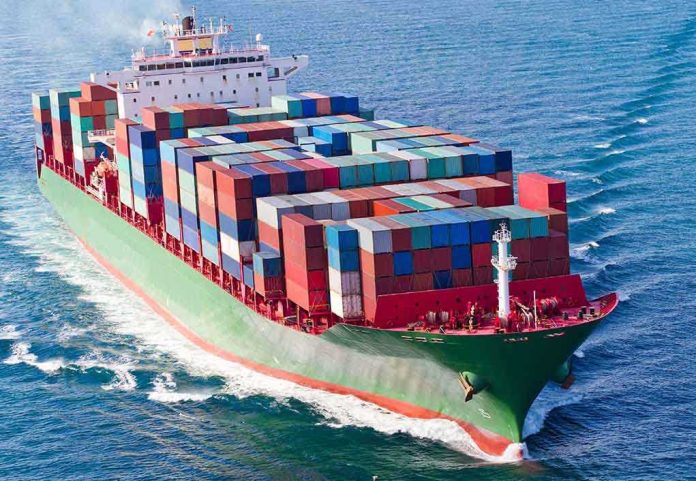
UK Maritime Trade Operations reported that a northbound bulk carrier came under attack from multiple small craft roughly 11 nautical miles west of Sirik, Iran, in the Strait of Hormuz area. The agency said all crew members were safe, with no reported injuries and no environmental impact disclosed at the time of the alert. UKMTO advised vessels to transit with caution while authorities assess what happened and who was responsible.
The basic facts remain limited: the ship was not publicly identified, and the severity of the attempted attack was not fully described beyond the report of multiple small craft. No group publicly claimed responsibility in the immediate aftermath. That uncertainty matters in a chokepoint like Hormuz, where crews, insurers, and shipping firms often react to credible threats before investigators can provide a definitive attribution.
Why the Strait of Hormuz Still Dictates Energy and Inflation Anxiety
The Strait of Hormuz is widely viewed as one of the world’s most important maritime chokepoints, moving a significant share of global oil trade. That reality is why even a “no injuries, no spill” incident can still carry serious economic weight: it can raise insurance costs, encourage rerouting, and increase delays for tankers and cargo ships alike. For American families already sensitive to price swings, energy shocks can quickly echo through transportation and groceries.
Shipping tension in the region is not new. The Strait has been a flashpoint since the 1980s “Tanker War,” and recent reporting describes an ongoing pattern of harassment and attacks involving small boats and other tactics that are difficult to deter without constant naval presence. Monitors have cited more than two dozen incidents since the broader conflict began, reinforcing why maritime agencies keep warning commercial traffic to stay alert and report threats quickly.
Blockade Pressure, Ceasefire Strains, and the Problem of Attribution
The new incident unfolded as the U.S. enforces a naval blockade targeting Iranian ports, a strategy intended to choke off revenue and pressure Tehran’s decision-makers. Reporting also describes a parallel political track: President Trump has said Iranian peace proposals have been inadequate and not focused on nuclear issues, while the broader ceasefire environment remains strained by continuing attacks. The U.S. posture reflects a familiar conservative priority—deterrence and credible enforcement—rather than symbolic diplomacy.
Two Competing Narratives: Maritime Safety vs. Regional Power Signaling
UKMTO’s public messaging stayed narrowly focused on safety and navigation, which is typical for a maritime warning center: confirm what can be verified, advise caution, and avoid speculation. Other reporting frames the episode in the context of Iran asserting control by demanding tolls for certain ships and barring Israeli-linked shipping, alongside seizures and threats that can effectively “close” the Strait without a formal declaration. Those narratives can coexist because they describe different layers of the same crisis.
BREAKING: A large cargo ship reports being attacked by multiple small boats in the Strait of Hormuz just 11 miles from Iran's coast. pic.twitter.com/t28KVThfsk
— GBX (@GBX_Press) May 3, 2026
For U.S. policymakers, the immediate question is less about headline drama than about durability: can the world’s most important energy corridor remain open when small-craft attacks and retaliatory actions continue, and when attribution is murky? For voters across the spectrum—especially those who feel “elites” manage crises without fixing the basics at home—the deeper frustration is that overseas instability can still punish working households through higher prices, regardless of who is in power.
Sources:
Cargo ship attacked by small craft near Strait of Hormuz, UK maritime agency says