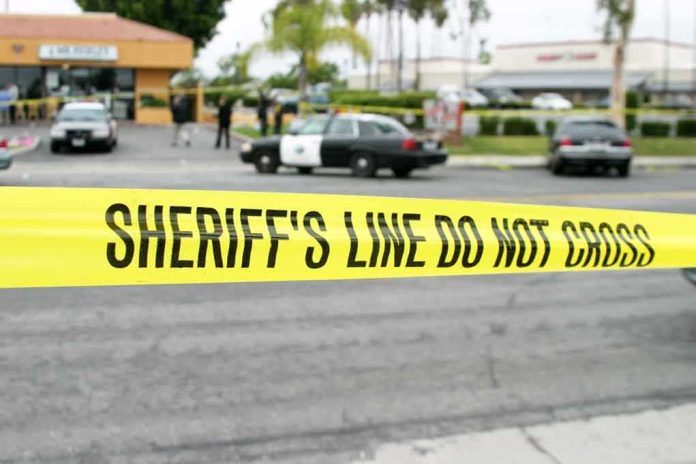
Another weekend shopping trip turned into panic, raising fresh doubts about whether officials can keep public spaces safe—or level with us when facts are thin.
Story Snapshot
- Police say two people were shot at Haywood Mall in Greenville, South Carolina [1].
- Officers detained several people; a 17-year-old was later reported arrested by local media [2].
- Police described an argument before gunfire, but full records were not released in the supplied material [2].
- Officials said there was no ongoing threat while the investigation stayed active [1].
What Police Confirmed In The First Hours
Local stations reported that two people were shot at Haywood Mall on Saturday, and that officers quickly secured the scene [1]. Reporters said several people were detained as police worked to sort out who did what and why [1]. Officials told the public there was no ongoing threat. That message aimed to calm shoppers and staff while the investigation continued. These are standard steps after shots fired in a crowded place. They help restore order while evidence is still coming in [1].
Reporters also shared that an argument may have led to the gunfire and that the case did not appear random [2]. This early detail matters because it shapes risk. A dispute between known groups points to a targeted clash, not a broad attack. But early talk of motive often changes. Police must review camera footage, shells, and witness accounts before they can confirm what sparked the fight. Without released records, these claims should be treated as preliminary [2].
The Reported Arrest And What Remains Unclear
WSPA 7News reported that police arrested a 17-year-old and said he fired the gun that injured two people [2]. That is a major claim. Yet in the material provided here, no arrest affidavit, charging document, or incident report is available to review. Early news is often accurate on key facts, but it can miss context. Reporters noted that police were still looking into whether others were involved. That leaves open the chance that more arrests or charges could follow [2].
Another local report focused on what police could confirm at the time: two people shot, several detained, and an ongoing investigation [1]. That version did not settle who fired first, how many shots were fired, or what role each person played. These gaps are common in the first hours after a shooting. Juvenile privacy rules can also limit what officials release when a suspect is under 18. That can slow public access to the evidence behind an arrest [1].
Why Early Frames Matter For Public Trust
Fast updates are vital in a public safety scare, but they can harden a story line before the facts mature. Police often stress that there is no ongoing threat, which helps stop panic. They also share the best working theory to date. In this case, that theory points to a dispute that turned violent. But witnesses may disagree, and video can surprise. That is why patience—and clear follow-up—are key to keeping trust across the political spectrum [1].
People on the right and left now share a core worry: leaders protect their image first and explain the truth later. When officials say “dispute” without showing records, some hear spin. When media headlines say “teen arrested” but do not show the charge sheet, others see a rush to judgment. Clear next steps can help. Police can release a brief timeline, confirm whether one or more guns were recovered, and state if they still seek other suspects—once that will not harm the case [2].
What To Watch Next In Greenville
Watch for the police incident report and any filings that can be shared despite juvenile limits. Those documents should confirm basic facts: who was detained, who was arrested, what charges were filed, and whether anyone else is wanted. Body camera clips and mall video, if released, could show whether an argument happened and who fired first. A clean, simple public update would calm shoppers, store staff, and families who now feel that a routine mall trip is not safe [2].
Greenville police, emergency crews respond to shooting at Haywood Mall https://t.co/CKn4FeM12R
— The Greenville News (@GreenvilleNews) June 14, 2026
Also track the health of the two people who were shot and whether bystanders were hurt while fleeing. Those facts inform how the mall and the city adjust security. Malls use cameras and private guards, but busy weekends can overwhelm even good plans. City leaders can press for steady, proven steps: better lighting, faster camera handoffs to police, and real-time radio links with tenants. These fixes cost less than a public panic—and they rebuild trust one weekend at a time [1].
Sources:
[1] Web – Shooting at South Carolina’s Largest Mall Leaves Two Injured, …
[2] YouTube – Two gunshot victims reported after shots fired at Haywood Mall …