A restaurant chain built on nostalgia just pushed out the CEO who tried to rewrite it, and the fight says a lot about who really runs America’s brands now.
Story Snapshot
- Cracker Barrel CEO Julie Felss Masino will step down after a fierce backlash to her modernization push.
- Her plan removed the “Old Timer” logo and vintage décor as part of a $700 million overhaul across more than 660 restaurants.
- Conservative customers, online critics, and President Trump turned the redesign into a national flashpoint over “woke” branding and tradition.
- Shareholders kept Masino through the storm, but the board is now handing the company to restaurant veteran David Deno.
CEO Exit After Failed Modernization Bid
Cracker Barrel announced that Chief Executive Officer Julie Felss Masino will step down as chief executive and board member, effective August 10. Her exit ends a tenure of under three years marked by an aggressive effort to modernize the chain’s look, menu, and in-store experience. The company said longtime restaurant leader David Deno, who once ran Bloomin’ Brands, will take over as chief executive on the same date. His hiring signals the board wants steady hands after a very public branding storm.
Masino was brought in during 2023 to turn around a struggling legacy brand whose sales and traffic had been under pressure. She pushed a broad reset, backed by about $700 million in planned spending to remodel locations, simplify dining rooms, and refresh the menu. Cracker Barrel framed these moves as an effort to improve the guest experience and attract younger diners while still honoring its roots. On paper, it looked like a classic corporate turnaround: upgrade the look, chase new customers, and try to revive growth.
The Redesign That Sparked a Firestorm
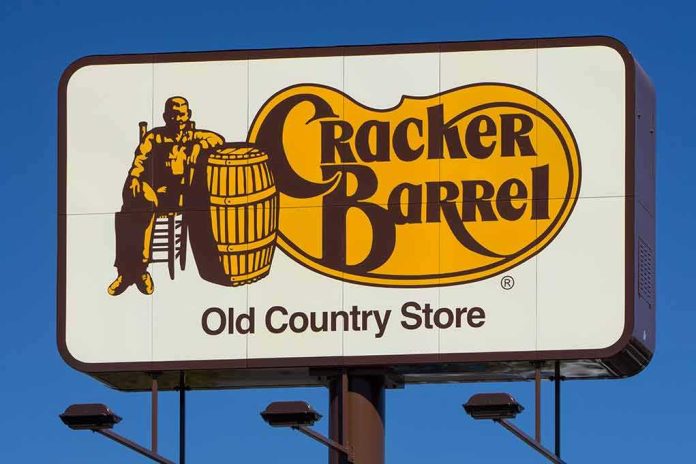
The overhaul became explosive when Masino changed Cracker Barrel’s most visible symbol, the “Old Timer” logo featuring an older man in overalls leaning on a barrel. The new logo was a simple text-only design that dropped Uncle Herschel and the “Old Country Store” look many guests saw as the heart of the brand. Inside the restaurants, vintage trinkets and antique décor were pulled from the walls, and dining rooms were decluttered. Loyal customers saw these changes as erasing the homey, small-town feel they loved rather than updating it.
Online reaction was swift and brutal, with social media mocking the new look and accusing the chain of chasing “woke” trends. Conservative voices framed the redesign as another example of elites trashing tradition in favor of bland corporate sameness. President Trump weighed in with criticism of the logo and leadership, turning a business decision into a national political signal. Activist investor Sardar Biglari threatened a proxy fight, warning he would try to oust Masino over the changes. What began as a branding tweak became a full-blown revolt against perceived cultural and corporate overreach.
Rollback, Market Hit, and Shareholder Rebellion
Facing intense anger, Cracker Barrel reversed course on the new logo in less than a week. The company’s post on X told guests, “We promised to listen, and we have. Our new logo will be discontinued, and our ‘Old Timer’ will remain,” directly acknowledging how much customers valued the nostalgic branding. The chain halted store redesigns soon after and posted a message titled “We Hear You,” promising that “Your Old Country Store is Here to Stay.” Masino later said the effort “missed the mark,” even though she believed she was trying to revitalize the brand.
The financial hit was real. Reports describe a single-day stock drop near $100 and roughly $100 million in value erased as backlash spread. Traffic fell and the company warned that the impact on store visits could last into the 2026 fiscal year. Yet when shareholders finally voted, about 75 percent backed keeping Masino as chief executive, even as they removed diversity-focused director Gilbert Dávila from the board. That split decision showed investors were angry about the rollout but not ready to blame only the chief executive, highlighting wider frustration with how corporate boards manage brand changes in the first place.
Heritage Brands, Culture Wars, and Who Gets Heard
Masino has since said she felt “fired by America,” even though shareholders let her stay at the time. She argued that she only wanted people to love the brand the way she does, and that the modernization was meant to help guests, not insult them. Cracker Barrel later cut ties with the consulting firm that guided the redesign, suggesting the board believed expert advice had drifted far from what customers actually wanted. Her upcoming departure, after those reversals, now looks like the final chapter in a failed experiment in top-down brand engineering.
Cracker Barrel CEO Julie Masino steps down following criticism from consumers over the restaurant’s "modernization" push.
— Boston Avionics (@bostonavionics) July 27, 2026
This story fits a wider pattern that many Americans on the left and right now recognize. Longtime brands chase younger audiences and “relevance,” but they often treat symbols like logos, décor, and slogans as disposable design choices rather than emotional anchors. Customers see those symbols as part of their identity and hometown memories, not just marketing. When executives and consultants push changes without clear proof they will help regular people, backlash can be swift. In that sense, Cracker Barrel’s fight is not only about a logo. It is about a deeper mistrust of corporate and political elites who seem more focused on optics than on listening to the people who built their success.
Sources:
facebook.com, wsj.com, marketwatch.com, independent.co.uk, finance.yahoo.com, foxbusiness.com, newsweek.com, apnews.com, people.com, tennessean.com