A three-judge federal appeals panel refused to pause sanctions tied to Trump’s $10 billion IRS lawsuit, keeping a lower court’s “collusion” finding in effect during the appeal.
Story Snapshot
- The Eleventh Circuit declined to freeze sanctions against Trump’s lawyers while the appeal proceeds.
- The panel said the lawyers had not shown they were likely to win on appeal.
- The district judge’s order said the suit and settlement talks were collusive and in bad faith.
- The ruling leaves restrictions on using the settlement in place for now.
Appeals Panel Keeps Sanctions Order Intact Pending Appeal
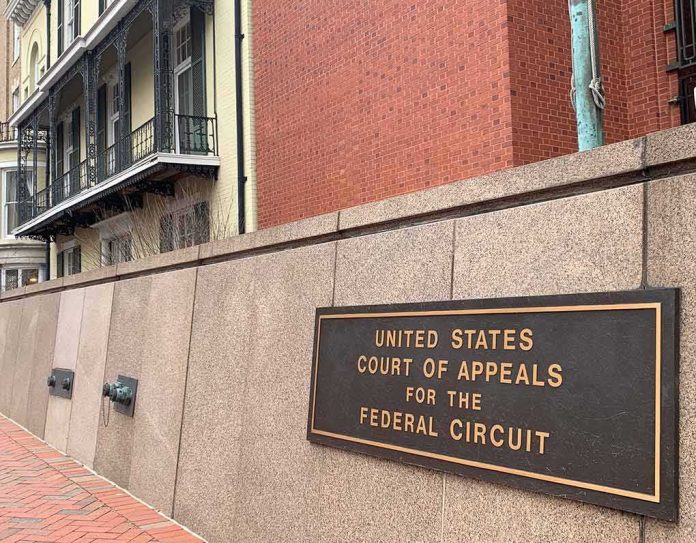
The United States Court of Appeals for the Eleventh Circuit on September 29 declined to pause a district court sanctions order against attorneys who brought President Trump’s lawsuit over Internal Revenue Service disclosures. The panel reportedly found the lawyers did not show a strong chance of success on appeal. That standard controls emergency stay requests and is hard to meet. The order leaves sanctions and related limits in place while the case continues through the normal process.
Reuters reported there were no noted dissents from the three-judge panel, and that the court saw the referral to the state bar as not a final order subject to immediate review. Law360 reported the Eleventh Circuit’s decision means the district court’s bar on citing the now-abandoned settlement agreement remains active for the duration of the appeal. That practical effect shapes the next phase, since the lawyers cannot rely on the terms the lower court criticized as improper.
District Court Found Bad Faith And Collusion In IRS Case
In July, United States District Judge Kathleen Williams issued a detailed sanctions order after reviewing how the lawsuit and settlement unfolded. The ruling said the case served as a tool to secure benefits through a settlement, concluding the parties were not truly adverse. The judge said the structure amounted to collusion, voided the deal, sanctioned counsel, and referred one lawyer, Alejandro Brito, to the Florida Bar for possible discipline. Another lawyer faced a one-year restriction on court appearances.
Outlets summarizing the July order said the benefits allegedly sought included a large “anti-weaponization” fund and protections from tax audits, all tied to a settlement that the court later rejected. The sanctions reflected the court’s view that the filing and follow-on negotiations were not a normal clash between opponents. The sanctions themselves are now on appeal, but the July findings define the backdrop for the current stay fight and the merits briefing ahead.
Appellants Failed To Show Likely Success; Counterarguments Persist
CNBC and Reuters reported the appellate panel concluded the sanctioned lawyers failed to show they were likely to win on key issues, including whether the district court had an adequate basis for bad-faith findings. Politico and Scripps News reported the panel said the appellants offered no substantive evidence to rebut claims of collusion during the stay phase. That does not decide the merits. It does signal the court saw too little to justify the exceptional pause they sought.
Trump’s legal team has argued the case aimed to hold the government to account after confidential tax data leaked to news outlets, and they blamed the Internal Revenue Service for allowing a politically motivated breach. According to Reuters, both Trump’s lawyers and the Department of Justice asked the Eleventh Circuit to freeze sanctions while the appeal proceeds, but the court declined. Those arguments may return in full dress on the merits later, but they did not carry the day at the emergency stage.
What The Ruling Is — And Is Not — In Legal Terms
The Eleventh Circuit’s action was a stay denial, not a final decision on whether sanctions or collusion findings will be upheld. Appellate courts often preserve the status quo unless the moving party clearly shows likely success and other factors. That posture is common in high-profile cases, yet headlines can blur the difference between “no pause” and “we agree on the merits”. The case now advances to briefing and argument, where the record will get full review.
This moment still matters beyond procedure. A federal court kept a sweeping sanctions order in place that faults the president’s team and brands talks with the Department of Justice as collusive. That label carries weight in the court of public opinion. Conservatives who watched years of leaks, politicized probes, and lawfare worry that legal process is getting used as a weapon. The best answer is sunlight: release the full orders and records, and judge them on the facts.
Sources:
thegatewaypundit.com, cnbc.com, lawcommentary.com, politico.com, democracydefendersaction.org, thehill.com, law360.com, yahoo.com, tradingview.com, cnn.com