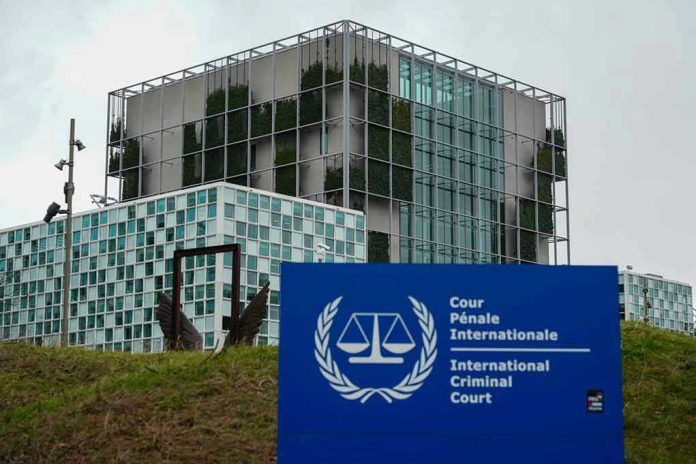
When a foreign leader and a big-city mayor trade arrest threats on live television, it exposes just how broken trust in both global justice and local government has become.
Story Snapshot
- Israeli Prime Minister Benjamin Netanyahu says New York City Mayor Zohran Mamdani is “fomenting hate” over calls to arrest him on war-crimes charges.
- Netanyahu rejects the International Criminal Court warrant as “bogus” and vows to visit New York for the United Nations General Assembly anyway.
- Mamdani has labeled Netanyahu a war criminal and urged U.S. authorities to carry out the warrant if he comes to American soil.
- The clash feeds a wider fear on both left and right that elites use law and rhetoric as political weapons while real problems go unsolved.
Netanyahu pushes back on arrest talk and vows to come to New York
Israeli Prime Minister Benjamin Netanyahu is pushing back hard against New York City Mayor Zohran Mamdani, who has said Netanyahu should be arrested if he visits the city under an International Criminal Court warrant tied to the Gaza war. Netanyahu told Fox News and other outlets that Mamdani is “fomenting hate” and trying to turn New Yorkers against each other instead of leading the whole city. He also said the International Criminal Court charges are “bogus” and lack any real legal force.
Netanyahu has been clear that he still plans to travel to New York in September to address the United Nations General Assembly, despite Mamdani’s claim that he is “not welcome” in the city. In one interview, he stressed that he has come to the United Nations “almost every year” as prime minister and does not intend to change those plans now. His office has also said the International Criminal Court has no jurisdiction over Israelis or Americans, framing the warrant as political, not legal.
Mamdani’s arrest call and the limits of city power
Mayor Zohran Mamdani has taken a very different line, calling Netanyahu a war criminal and backing the International Criminal Court’s request for his arrest over Israel’s conduct in Gaza. In a recent video message, Mamdani said Netanyahu is “not welcome in New York City, nor is any other war criminal at large.” He has urged the federal government to enforce the warrant if Netanyahu enters the United States, even while admitting the city itself does not have the authority to carry it out.
Legal experts and other elected officials have noted that a New York City mayor cannot unilaterally arrest a foreign head of government based on an international court order; questions of diplomatic immunity and foreign policy sit with the federal government. That gap between strong words and actual power is part of why this fight has turned into a media storm instead of a careful legal discussion. The result is another loud showdown that raises emotions but does not answer hard questions about how war crimes should be judged or enforced.
Escalating war of words and fears about stoking division
The clash between Netanyahu and Mamdani has quickly grown beyond one comment. Netanyahu has used several platforms to attack Mamdani’s politics and character, calling some of his New York policy ideas “nonsense” and predicting he will be only a one-term mayor. On a podcast, he went further and labeled Mamdani an “antisemite,” tying the mayor’s local agenda on issues like policing and taxes to what he sees as a broader wave of hostility toward Jews and toward Israel.
Jewish groups and some lawmakers say Mamdani’s rhetoric, including talk of arrest and “war criminals,” could fuel anger on the streets and make Jewish residents feel even less safe. Critics on the left respond that language about “fomenting hate” can be used to silence any sharp criticism of Israeli policy, including concerns about civilian deaths in Gaza. Both sides claim to be defending basic safety and fairness, yet many ordinary New Yorkers watching this from the sidelines see another elite shouting match that leaves their daily problems untouched.
What this fight reveals about elites, law, and a fraying system
This dispute fits a growing pattern where dramatic arrest talk becomes a kind of political theater. Mamdani’s demand to detain Netanyahu signals strong moral outrage and appeals to activists who want the United States to take international law more seriously. Netanyahu’s answer frames the same demand as absurd and lawless, painting himself as the responsible adult resisting an extreme city leader. Each side gains attention and strengthens ties with its base, while the actual legal questions stay murky for most people watching.
𝐍𝐄𝐓𝐀𝐍𝐘𝐀𝐇𝐔 𝐀𝐂𝐂𝐔𝐒𝐄𝐒 𝐌𝐀𝐌𝐃𝐀𝐍𝐈 𝐎𝐅 𝐀𝐋𝐈𝐆𝐍𝐈𝐍𝐆 𝐖𝐈𝐓𝐇 𝐇∗𝐌𝐀𝐒 𝐀𝐅𝐓𝐄𝐑 𝐌𝐀𝐘𝐎𝐑 𝐂𝐀𝐋𝐋𝐒 𝐇𝐈𝐌 𝐀 𝐖𝐀𝐑 𝐂𝐑𝐈𝐌𝐈𝐍𝐀𝐋
Israeli Prime Minister Benjamin Netanyahu fired back at New York City Mayor Zohran Mamdani on Fox News, accusing him of… pic.twitter.com/bfLXey1Sds
— M.A. Rothman (@MichaelARothman) July 28, 2026
For many Americans, especially older voters on both the right and left, this clash touches deeper worries. Conservatives see another big-city mayor focused on global stunts instead of crime, prices, and basic services. Liberals see a long-serving leader dismissing an international court and facing no real consequences. Both groups share a sense that powerful figures use courts, warrants, and cable-news interviews as tools in their own battles, while regular citizens struggle to afford housing, stay safe, and trust any institution to play by the rules.
Sources:
news18.com, abcnews.com, youtube.com, timesofindia.indiatimes.com, straitstimes.com