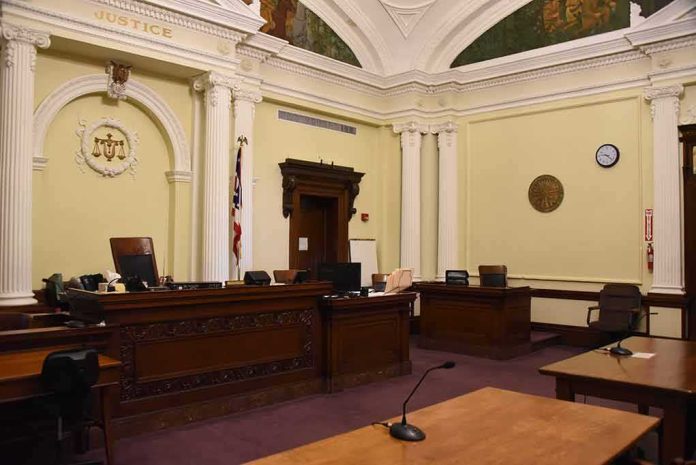
A sudden federal court hearing signals that Luigi Mangione may change course with a guilty plea, raising new stakes in a case already straining public trust in justice.
Story Snapshot
- Federal prosecutors and Mangione’s lawyers held plea talks ahead of a newly set hearing.
- Mangione has pleaded not guilty so far in both federal and state cases.
- A judge earlier dismissed federal murder and gun charges, removing a death penalty path; stalking counts remain.
- Defense challenges key evidence and interrogation steps, seeking to limit what jurors can hear.
What Prompted Today’s Plea Speculation
Reporters learned that a federal judge scheduled a short-notice conference after prosecutors and the defense discussed a possible plea. Outlets said talks occurred in June and again this week, though no agreement was announced. Sources described the discussions as real, not just rumors, which is why the calendar move drew attention. Plea talks happen in most federal cases, but a sudden hearing suggests both sides may see a narrow window to resolve charges before the next trial step.
Federal prosecutors once pursued a death-eligible path against Mangione. That track closed when a judge threw out the related murder and weapons counts earlier this year, leaving serious stalking charges tied to the 2024 killing of UnitedHealthcare’s chief executive. The change lowered the ceiling on federal punishment but still left heavy exposure. That shift likely reshaped leverage on both sides and made a negotiated outcome more practical than an uncertain trial.
Where the Cases Stand Right Now
Mangione has continued to plead not guilty across both systems. In federal court, he entered a not guilty plea at arraignment. In New York state court, he also maintained his innocence on separate murder and related counts. A possible federal plea would not, by itself, end the state case. Any impact would depend on the exact plea terms and how state prosecutors and judges handle overlap after a federal resolution.
Judges have already ruled on some evidence fights. One court allowed the government to use a handgun and a notebook, but blocked other items from a backpack due to an improper warrantless search. The defense also argues that officers questioned Mangione for almost 20 minutes before reading his rights. They say that should bar any statements from that early window. Prosecutors push back and want jurors to hear more of what police found and heard.
Why Both Sides Might Choose a Deal
Federal plea bargains are common because they bring certainty. Prosecutors lock in accountability without risking a mistrial or appeal. Defendants trade trial risk for a set outcome. After the judge removed the death-eligible counts, both sides may see value in defining the remaining federal exposure now rather than gambling at trial. If a deal happens, it could include agreed facts about conduct before the shooting, which might shape future hearings in state court.
🚨BREAKING: Luigi Mangione is expected to plead guilty on Friday to federal charges tied to his alleged 2024 killing of UnitedHealthcare CEO Brian Thompson in Manhattan, NBC News reports.
The potential plea change would come less than a month before Mangione is set to go to… pic.twitter.com/h79svzQhE7
— Off The Press (@OffThePress1) August 13, 2026
Many readers on the right and left will ask a fair question: does this process treat powerful institutions better than everyday people? The victim led one of the nation’s largest health companies, and the case has stretched across two systems for more than a year. Delays, shifting charges, and backroom talks fuel a sense that outcomes are negotiated by insiders, not earned in open court. Plea talks are legal and common, but they can look like another elite-only lane when trust is low.
What To Watch Next
Friday’s hearing could confirm whether a plea is ready or whether talks stalled again. Watch for three signals: the exact charge or charges to which Mangione would plead, any agreed sentencing range, and how the judge sequences federal steps with the pending state trial. If no plea lands, expect more evidence fights and a sharper trial calendar. If it does, expect new filings in state court that try to use any federal facts to limit or shape the next jury’s view.
Sources:
insiderpaper.com, abcnews.com, nbcnewyork.com, cnn.com, en.wikipedia.org, bbc.com, theguardian.com, youtube.com