Congress is moving to finally name, define, and cover the Pentagon’s 9/11 toxic exposure—by law.
Story Snapshot
- A new House bill would presume certain diseases are tied to Pentagon exposure after 9/11.
- The proposal names the site, dates, and covered illnesses, closing a long-known gap.
- Susan E. Lukas’s story helped drive action after years of breathing trouble and lung damage.
- Federal health programs already recognize Pentagon responders within the broader 9/11 framework.
Congress Puts Pentagon Exposure In Black And White
House lawmakers filed the “Susan E. Lukas 9/11 Servicemember Fairness Act” to make a simple promise: if you got sick after serving at the Pentagon during the defined 9/11 window, the system starts by believing you. The bill sets a presumption of service connection for specific diseases linked to toxins at the Pentagon Reservation, beginning September 11, 2001. That matters because presumptions flip the burden of proof. Sick veterans would not have to recreate the smoke and soot they already breathed.
The bill’s text names the site and time frame, which reduces gray areas that stall claims. It lists respiratory diseases like asthma, chronic obstructive pulmonary disease, and emphysema, along with certain cancers and cardiovascular, skin, and other respiratory illnesses. Veterans’ groups argue this fills a longstanding gap that left Pentagon personnel to fight case by case while other 9/11 cohorts had clearer paths. The Veterans of Foreign Wars backs the change and calls the exposures real and harmful.
Why This Cohort Was Treated Differently—Until Now
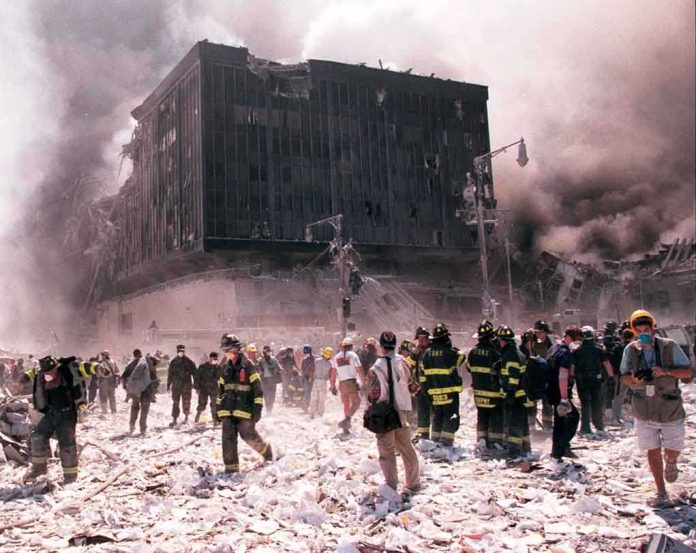
The 9/11 health system grew around the World Trade Center. The Pentagon stood outside the spotlight. Yet federal materials have long described hazards on that site: smoke, jet fuel, heat, hazardous chemicals, and harmful debris for responders, cleanup crews, and construction workers. The World Trade Center Health Program, run by the Centers for Disease Control and Prevention (CDC), already recognizes Pentagon responders for care and monitoring, and recent rulemaking expanded that eligibility. Congress now aims to align veterans’ benefits with that health reality.
Benefits law often moves faster than slow, perfect science because time runs against sick veterans. Presumptions are a tool Congress uses when exposure is documented and the disease patterns are plausible, but the forensic proof for each person would be unrealistic. That is the same logic behind other service-connected exposure laws for burn pits and Agent Orange. The Pentagon cohort fits that pattern: identifiable location, documented hazards, and a class of illnesses that show up over years.
The Face Of The Bill: A Colonel Who Kept Coughing
Retired Air Force Lieutenant Colonel Susan E. Lukas stood in the smoke and stayed at work after the attack. She later developed breathing problems and lung damage, and she has said the exposure still shapes her health today. Her story gave the bill its name and its urgency. USA Today reported her lingering respiratory issues decades after 9/11. She told reporters the cough started in the months after the attack and never fully left. Many Pentagon colleagues tell versions of the same story.
Public health language can sound cautious—“potentially exposed”—because that is how science speaks. That should not confuse the policy aim. Congress is not writing a textbook. It is setting a fair rule for people who answered duty in a known hazard zone. The bill’s presumption meets a conservative value test: keep promises to service members, cut red tape, and decide in favor of those who served when the government controlled the workplace and the risk.
How The Presumption Would Work—And What Comes Next
Under the bill, a veteran who served at the Pentagon Reservation during the listed period and later develops a covered illness would be presumed service-connected. That speeds access to medical care and disability compensation through the Department of Veterans Affairs. It also reduces costly, repeat fights over nexus letters and exposure reconstruction that few individuals can win alone. Federal health programs already verify employment and service dates for Pentagon responders, which could support smooth implementation.
One caution belongs here and only once: enactment is not final yet. The bill is pending, and the details could shift as committees work the language. Still, the direction is clear. Federal health authorities have widened the tent for Pentagon responders, and Congress is poised to match that with benefits law. If passed, the Susan E. Lukas Act would turn two decades of piecemeal claims into a coherent promise. The country asked them to stay. The country can now stand by them.
Sources:
usatoday.com, congress.gov, govexec.com, yahoo.com, academic.oup.com, pmc.ncbi.nlm.nih.gov, oem.bmj.com