The United States deported Ecuador’s former interior minister José Serrano to face charges in the cartel-linked assassination of a presidential candidate, even after a judge reportedly tried to block his removal.
Story Snapshot
- Ecuador’s prosecutor charged Serrano as an alleged planner in the 2023 killing of Fernando Villavicencio.
- U.S. immigration agents detained Serrano in Miami in 2025 and deported him in late August 2026.
- Ecuador tied the case to organized crime; a Los Lobos leader is among co-accused.
- Serrano denies all claims and says the case is a political setup.
What Ecuador Prosecutors Allege About the Assassination
Ecuador’s Attorney General charged José Serrano and six others in August 2026 over the murder of presidential candidate Fernando Villavicencio. Prosecutors say Serrano, who served as interior minister from 2012 to 2016, shared sensitive details about Villavicencio’s movements and helped plan the attack. Reports name accused partners that include Wilmer “Pipo” Chavarría, described as a leader in the Los Lobos cartel, which anchors the cartel link in the case. The charges mark a formal theory, not a verdict.
Villavicencio was shot and killed in August 2023 while campaigning, a crime that shocked Ecuador and drew global attention. The new charge set reflects a broader push to name alleged masterminds behind the plot and to tie them to organized crime networks. Officials in Ecuador have framed Serrano’s custody as part of a larger fight to restore order and accountability after years of drug-fueled violence and political fear. This narrative presents the state as finally moving on powerful players.
How and Why the United States Handed Serrano Back
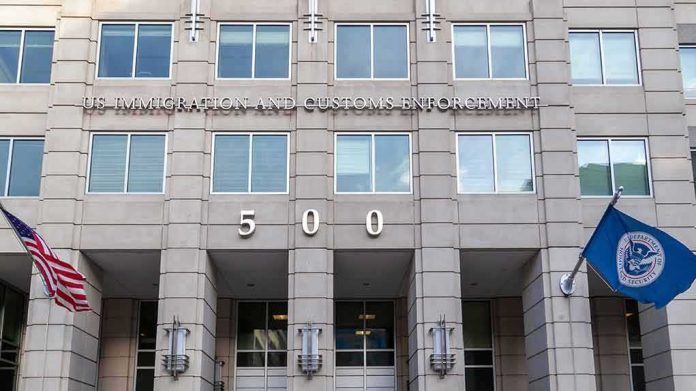
The United States held Serrano in immigration custody after detaining him in Miami in August 2025. On August 28, 2026, U.S. officials deported him to Ecuador, where he was taken to the El Encuentro prison. Ecuador’s president and other officials publicly linked his return to the Villavicencio case and the battle against organized crime. Media reports say a judge had moved to block removal over torture risk concerns, yet the deportation proceeded anyway.
Deportation is an administrative action and does not prove the assassination claim. Reports note that Serrano’s removal followed his detention status and immigration posture, which can be enough under U.S. law. Still, the timing and the public framing by Ecuadorian leaders created the picture of a cross-border win against crime. That image strengthens political claims that neither country will serve as a haven for elites accused of violence and corruption.
What Serrano and His Family Say in Defense
Serrano rejects the accusations. He says prosecutors rely on an unsworn statement from a convicted prisoner and offer no technical proof, such as phone data or forensics. He has called the case a “farce” and says it follows a political script rather than evidence. Reuters also reported that Serrano and businessman Xavier Jordán both refuted the claims tied to the murder plot. His family released a video calling the case political persecution.
These denials highlight a core tension. The public record in the surfaced reporting does not display the full Ecuadorian case file, such as detailed exhibits, device extractions, or call records. That gap leaves many citizens asking for clearer proof. Without transparent evidence, accusations against a powerful former official can look like selective justice to some, even as others see long-delayed accountability. Both reactions reflect wider distrust in institutions across the region.
Why This Case Matters for Crime, Trust, and U.S. Policy
This case lands in a wave of anti-corruption drives in Ecuador. Independent assessments describe an energetic prosecutor’s office taking on high-level figures. At the same time, they warn that polarized politics and weak safeguards can undercut trust. When the state pursues cartel-linked cases against elites, it must show evidence quickly and clearly. Otherwise, claims of politicization grow, and the public tunes out or assumes the worst about everyone involved.
For Americans, the case underscores two themes. First, cross-border crime now shapes both immigration enforcement and foreign policy. Second, people on the right and left see a pattern where elites seem to play by different rules. If U.S. and Ecuadorian officials want to rebuild trust, they must pair tough action with due process and transparency. That means publishing charge details, protecting rights in custody, and proving links to gangs with facts the public can see.
Sources:
nypost.com, vistazo.com, expreso.ec